
Over the years, my husband, Derek, and I have been fortunate enough to visit many wonderful countries, but as climate change causes extreme weather conditions and political unrest, finding new destinations is becoming increasingly challenging.
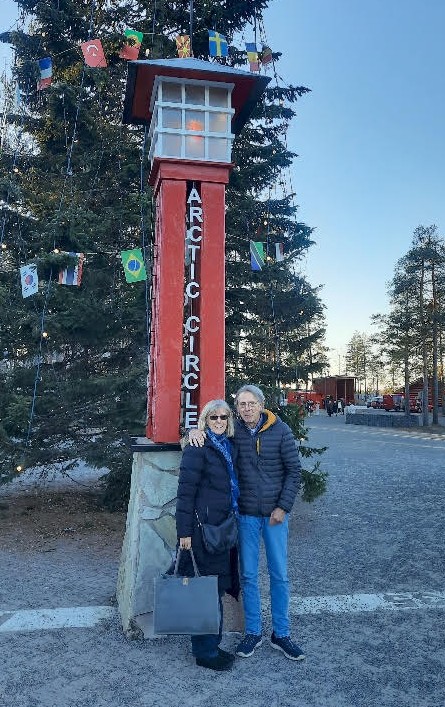
So, this time, we chose Finland, curious to discover why it has been ranked the happiest country in the world for eight consecutive years. We learned that Lapland is not a country but a region spanning Finland, Sweden, Norway, and a small part of Russia. The Finnish part of Lapland is known for its vast wilderness, indigenous Sámi culture, the Santa Claus Village, and the Northern Lights.
Seeing the Northern Lights was on my bucket list, so this meant going in winter. I searched the internet for suitable accommodations and excursions, eventually deciding on a few days in Helsinki, followed by three nights in a glass igloo in Lapland.
Lesson On Sustainability
The Finnish people are friendly and keen to introduce visitors to their country and culture. Recycling and sustainability are taken very seriously. We were told that the tap water is fresher and purer than bottled water, as it comes from all the snow that melts into their rivers, so single-use plastic bottles are frowned upon. Our apartment in Helsinki had separate bins in the kitchen to ensure all guests recycled glass, metal, plastic, food waste, etc. There were instructions to locate the recycling room in the basement.
It was also the first time we had never had a physical key to access a property – instead, a code was sent to our mobile phone. We were impressed to see a branch of “Revolve” (a second-hand clothing and accessories shop) among the Duty-Free shops at Helsinki International Airport, encouraging international travellers to recycle fashion rather than buy new.
Igloo And The Outdoors
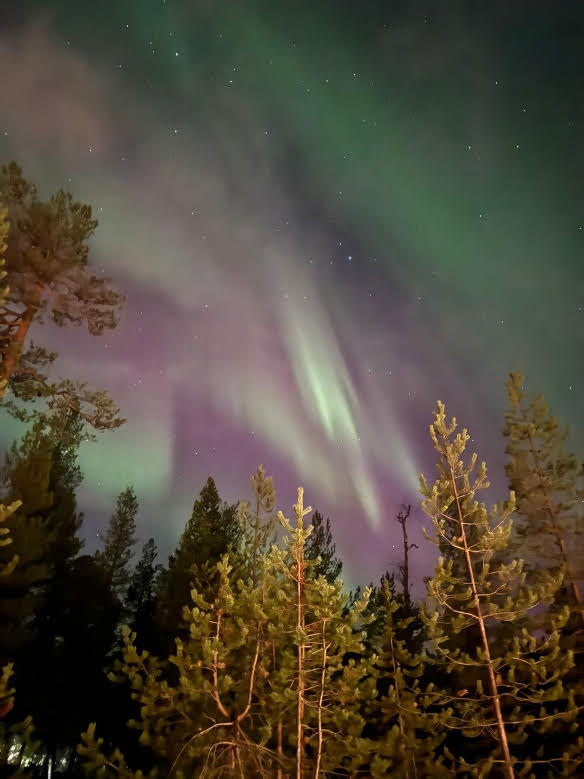
After a few enjoyable days in the Finnish capital, we took a short flight to Rovaniemi and, after a 20-minute drive, arrived at our igloo. The area was beautiful, peaceful, and often the only noise was that of woodpeckers in the many trees. It was truly magical, with such pure air – we immediately regretted booking only three nights. Trying to get some sleep was difficult, as we did not want to miss the Aurora but also wanted to wake early to catch the beautiful sunrises (guests can ask lodges to wake them during the night if the Aurora occurs).
There are lots of exciting activities to choose from all year round, including fishing, bird-watching, hiking, and Northern Lights Hunting on e-fatbikes or ATVs, but we had selected some more sedate ones.
The Reindeer And Its Role In The Local Economy
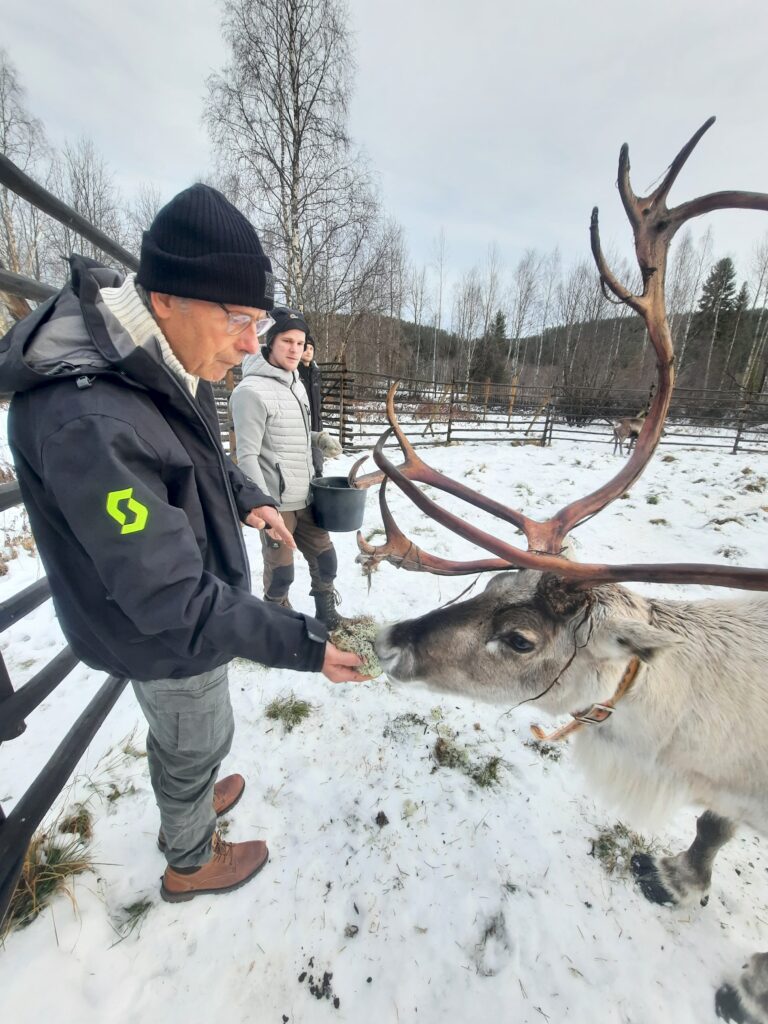
On our first morning, we visited a reindeer farm. Reindeer are ruminants with 4 different stomach compartments for different digestive functions to allow fermentation of food, which is regurgitated for further digestion. They are herbivores and eat a diet of shrubs, ferns, fungi, and herbs, but lichen (also known as reindeer moss) is their primary winter food. Their eyes change colour from golden in summer to blue in winter. While they are not good at detecting colour, they have a good sense of smell, which helps them find food in the snow. They vary in size and colour depending on the region. Reindeer are the only species where females grow antlers as well as males. Their fur is water-resistant, keeping their bodies warm, but their 4-toed feet are exposed to cold air. So they rely on “oleic acid” in the bone marrow (reindeer equivalent of antifreeze) to help warm them via the veins. It is amazing how well the species has adapted to harsh Arctic conditions.
While reindeer may appear adorable, they require a lot of care and attention. The life of a reindeer herder is very intensive. We hand-fed them lichen while learning about their importance to the indigenous Sami people. These animals provide many benefits, as the whole reindeer is utilised, ensuring nothing is wasted. Their high-quality hide is treated with tree bark and used to make clothes, shoes, and blankets (as confirmed by the one on our bed), while antlers and bones are used in everyday products.
Experiencing The Local Culture And Way Of Life
After lunch, we visited a local handicraft workshop and learnt about the local way of life. We had the opportunity to create some jewellery and artwork with a former teacher and her husband before being entertained with many wonderful stories over refreshments in their delightful home. Then we returned to camp, and before dinner, there was time for our first sauna, which Derek particularly enjoyed as it eased his aches and pains. Saunas are an integral part of Finnish culture and are regarded as the most important room in the home, where everyone is equal. It certainly was a nice way to relax during the dark evenings.
We were fortunate enough to have sightings of the Northern Lights, but we couldn’t sleep much. However, the next morning, we set off for a Husky Dog Cart ride through the forest, which operates on the roads when the snow is not deep enough for the sleds. It was such fun dashing through the forests, and we had to hold on tight, especially around the corners. Back at camp, the huskies enjoyed a well-earned bowl of water and a few treats, while we warmed ourselves with a hot drink by a welcome fire. We then toured the kennels and maternity ward, where expectant mothers and new pups eagerly sought attention.
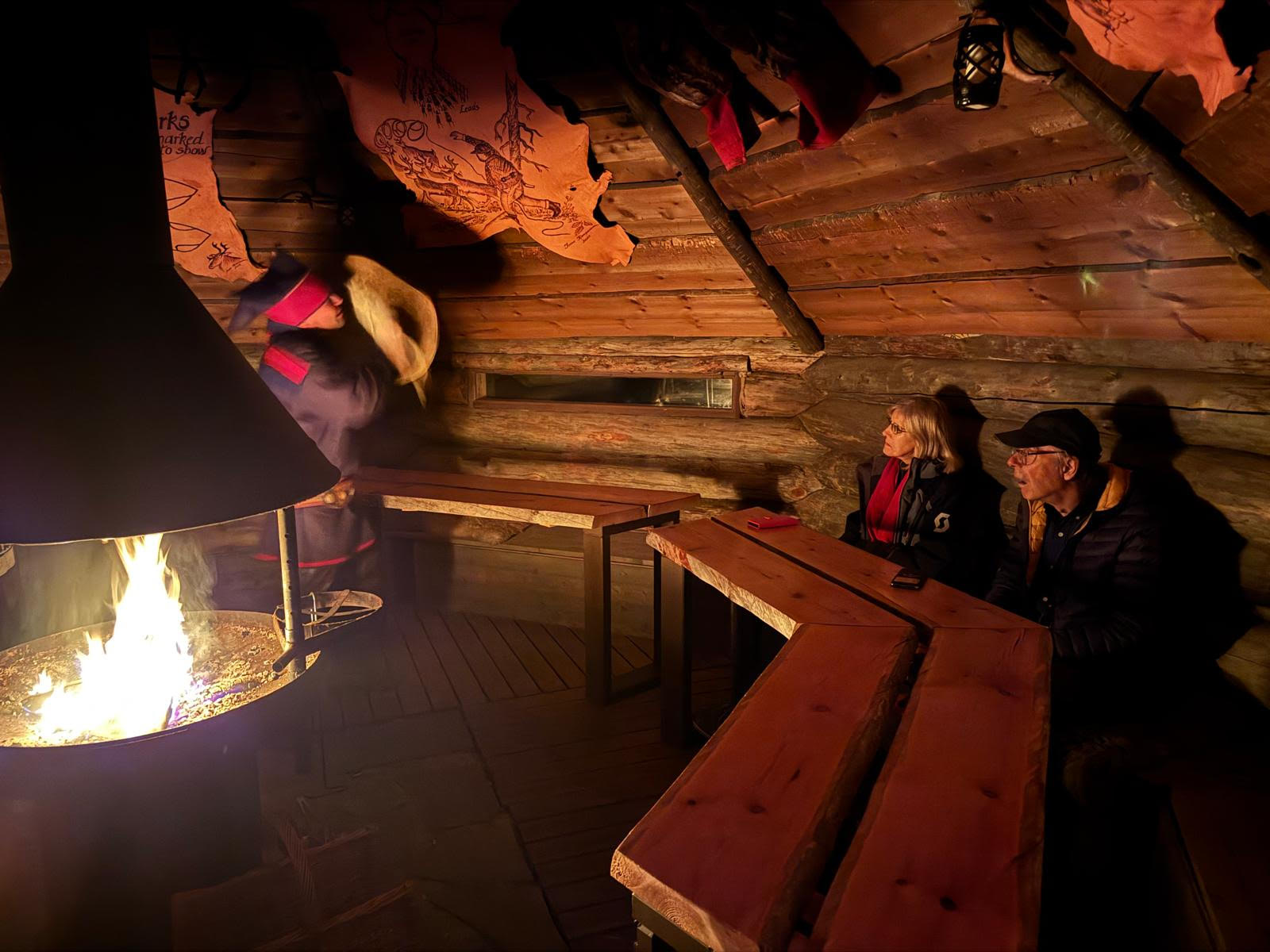
On our last evening, we had dinner in a Lappish Hut and were honoured to be entertained to a Joik performance by an indigenous Sami artist who had driven about six hours to reach our camp from his remote home. After a short rest in his car, he then had to drive back so he could tend his reindeer in the morning. Just another example of these amazing, hard-working Finnish people.
An Interesting Fact
Another interesting fact is that, despite its smaller size and being overshadowed by its neighbours, Finland maintains a large military—reportedly larger than that of the UK. This is perhaps unsurprising given the country’s long border with Russia. A recent poll found that 78% of Finnish adults would be willing to fight for their country, though this figure drops to 71% among those aged 18–25. In contrast, willingness to fight for the country in the UK was reported to be significantly lower, at around 38%.
Following this trip, my bucket list has grown longer, as I now wish to return to Finland to explore more of this amazing country. It would be fantastic to see wolves and bears. However, this will involve a lot more traveling to remote locations with basic facilities. Apparently, around May is a good time with the chance of seeing mothers and cubs… Maybe?? We’ll see!!
Written by Karen Bryant
Based in Britain, Karen has spent many years travelling to remote wildlife parks around the world, seeking firsthand experiences of conservation efforts and contributing to their protection.
Email: [email protected]